Chaos at Dale Mabry Highway and West Spruce Street: Midday Winds Rip Through Palma Ceia
It was just past noon on October 9th when residents near the intersection of Dale Mabry Highway and West Spruce Street in Palma Ceia felt the first brutal gusts of Hurricane Milton. The skies darkened rapidly, and the 120 mph sustained winds battered homes and businesses in the area. Trees snapped, power lines came down, and debris littered the streets. The storm surge, estimated between 5 to 10 feet along Florida’s coast, pushed water into low-lying neighborhoods, flooding streets and threatening homes within minutes.
What Happened: Hurricane Milton Hits Close to Home
Hurricane Milton made landfall near Siesta Key as a Category 3 hurricane, with sustained winds at 120 mph on October 9, 2024. While the eye touched down south of Tampa Bay, the storm’s reach extended northward, impacting areas including Naples and Charlotte Harbor. Dozens of tornadoes spawned from Milton’s circulation, some potentially impacting Tampa neighborhoods. Residents near the coast faced storm surges up to 10 feet, causing significant flooding and damage.
Though Milton rapidly intensified to a Category 5 with peak winds of 180 mph and a central pressure of 897 mb over open water, it weakened to Category 3 upon landfall. Still, the power of the storm left a trail of destruction in its wake, including in Tampa’s western neighborhoods like Palma Ceia, where wind damage and flooding were widespread.
Why This Matters Locally: The Real Impact on Tampa Residents
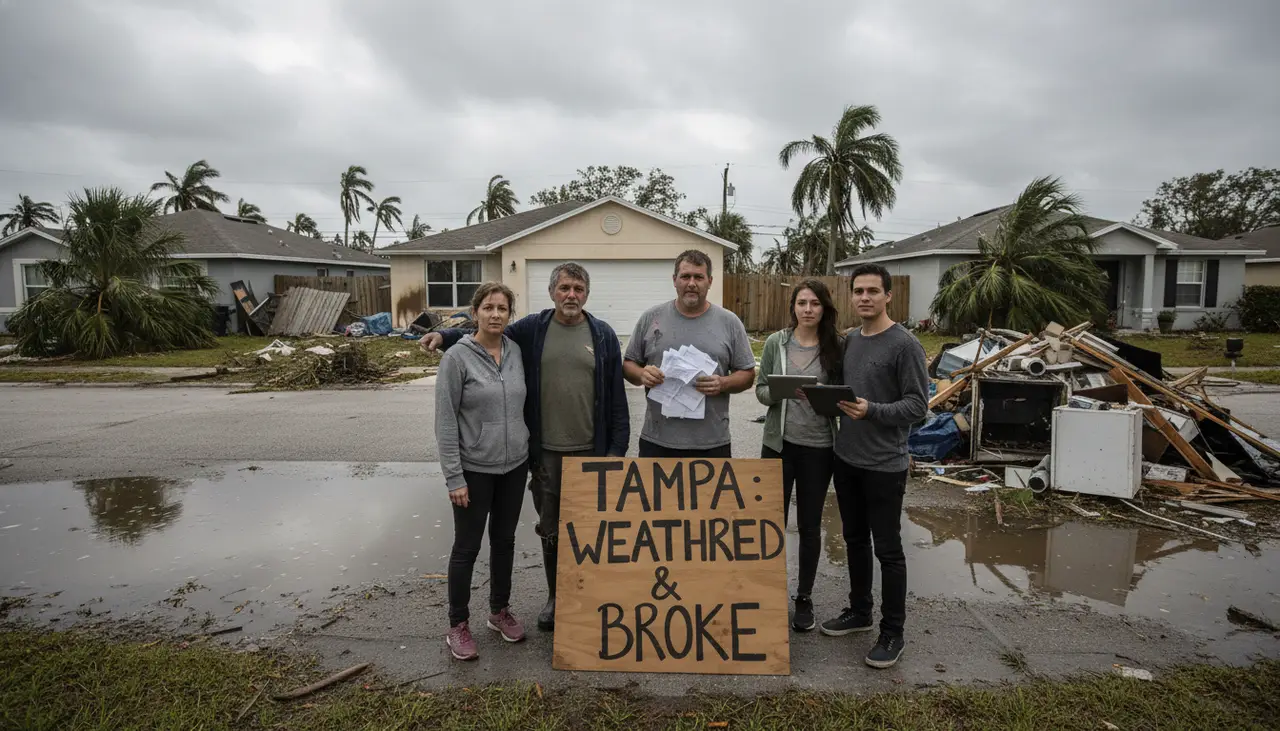
For residents living near Dale Mabry Highway and West Spruce Street, the storm’s arrival was more than a weather event—it was a direct threat to safety, property, and daily life. High winds tore off roofs, shattered windows, and toppled trees onto cars and homes. Flooded streets trapped vehicles and blocked access to main roads, snarling traffic and delaying emergency responders.
Power outages were widespread, leaving households without electricity for days, complicating everything from food storage to medical care. The storm surge pushed water into basements and first floors, damaging personal belongings and threatening the structural integrity of homes. Insurance claims will surge, and many will face long waits and disputes before repairs can begin.
Local businesses along Dale Mabry Highway also suffered. With damaged storefronts and impassable roads, many faced immediate revenue losses and costly repairs. For families, the stress of displacement, loss, and uncertainty will linger long after the winds calm.
If This Happens to You: What to Do Immediately
- First, move to higher ground or the safest room in your home away from windows and doors.
- Turn off electricity at the main breaker if flooding is imminent to avoid electrocution risks.
- Avoid driving through flooded streets—just six inches of moving water can sweep a vehicle away.
- Keep a battery-powered radio or phone nearby for emergency updates and evacuation orders.
- Document damage with photos or video only when it is safe to do so; this will be crucial for insurance claims.
- Contact your insurance company immediately to report damages and begin the claims process.
- Check on neighbors, especially the elderly or disabled, and assist if possible without putting yourself at risk.
When Local Professional Help Becomes Necessary
After the storm, the need for professional assistance will be urgent and unavoidable. If your home has sustained roof damage, structural cracks, or flooding, you need to contact licensed contractors immediately to assess and begin repairs. Attempting DIY fixes on major damage can be dangerous and may invalidate insurance claims.
If your property is flooded or if water has entered your home’s electrical system, professional electricians and water damage restoration services are essential. Mold growth can begin within 24–48 hours after flooding, so timely intervention is critical.
For legal help, residents facing insurance disputes or landlord-tenant issues related to storm damage should seek attorneys specializing in property and insurance law. These professionals can guide you through complicated claims and ensure you receive rightful compensation.
Urban planners and local officials will also be involved in assessing infrastructure damage, especially along major corridors like Dale Mabry Highway, which many residents rely on daily. If your commute or access to essential services is disrupted, expect ongoing delays and rerouting until repairs are complete.
Local Context: What Tampa Residents Need to Know
Palma Ceia and surrounding neighborhoods are no strangers to storms, but Hurricane Milton’s force was a stark reminder of how quickly conditions can deteriorate. Many Tampa residents pass through Dale Mabry Highway daily, whether commuting to work, school, or running errands. The damage here affects not just homeowners but the entire community’s mobility and safety.
With dozens of tornadoes spawned by Milton, the risk of sudden, localized wind damage remains high in Tampa’s metro area. This is not a distant threat—it is here, now, and could affect your household without warning. Preparation, vigilance, and knowing when to call in professionals will be essential as the city recovers.
Where This Is Happening in Tampa
The most significant local impact was felt around major arteries like Dale Mabry Highway near West Spruce Street, a key north-south route connecting Palma Ceia to downtown Tampa. Nearby neighborhoods include Palma Ceia itself, known for its older homes and shaded streets, which faced heavy tree damage and flooding.
Residents and commuters along this corridor also use nearby landmarks such as the Palma Ceia Golf and Country Club and local shopping districts along West Swann Avenue. Flooding and debris on these roads have disrupted traffic flow, complicating daily travel.
Tampa’s western neighborhoods, from Palma Ceia toward the coastal areas near Siesta Key, experienced the brunt of the storm surge and wind damage. Local schools, businesses, and emergency services in these zones are currently working to restore normalcy, but challenges remain.