Evening at Dale Mabry Highway: Residents Face New Water Restrictions as Drought Deepens
It’s just past 7 p.m. on a Thursday in the Seminole Heights neighborhood, near the busy intersection of Dale Mabry Highway and Sligh Avenue. Lawns that once shimmered with fresh green grass now show signs of dryness. A resident hesitates with a garden hose in hand, glancing at the wilted shrubs, knowing the new water restrictions could make evening watering a costly mistake. The usual hum of lawn sprinklers is noticeably absent, replaced by a tense quiet that underscores the seriousness of the drought gripping the Tampa Bay area.
What Happened: Phase II Drought Restrictions Take Effect
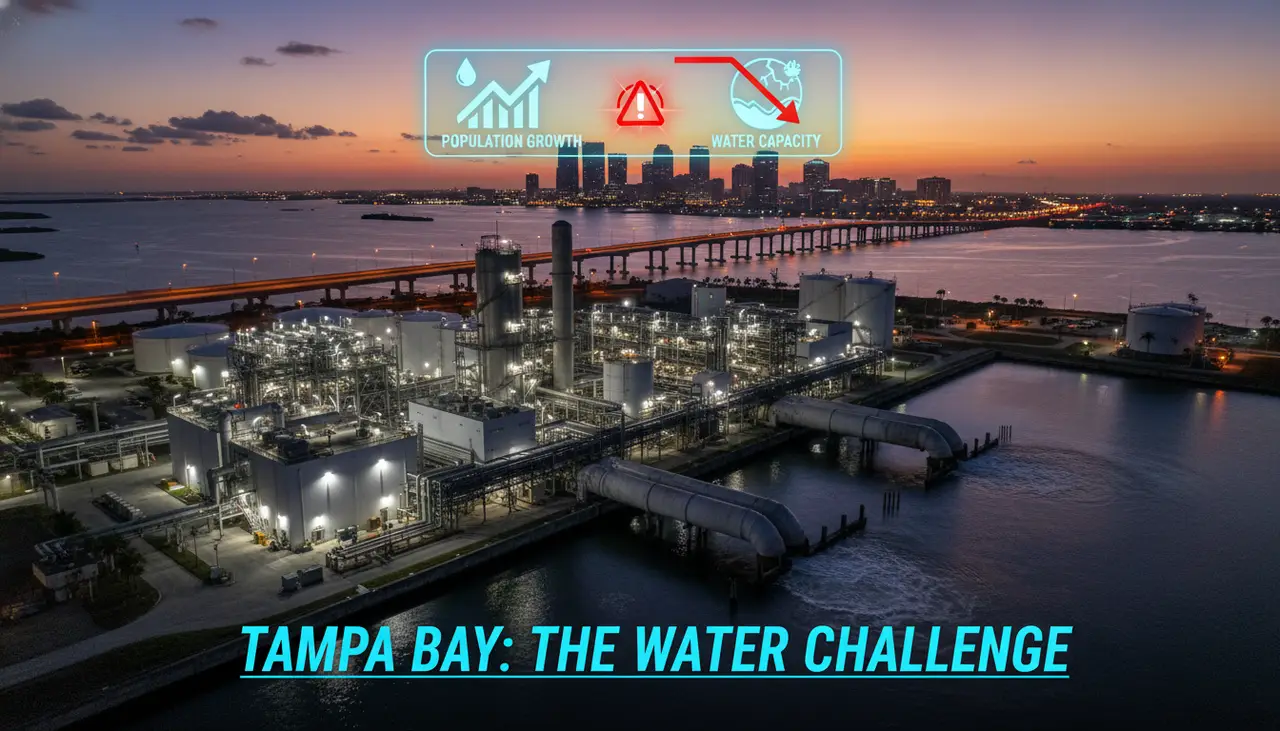
The Southwest Florida Water Management District (SWFWMD) has officially declared a Phase II drought restriction affecting Hillsborough, Pasco, and Pinellas Counties. This comes as water supplies have dropped by 25%, with reservoir levels shrinking from 15 billion gallons to just 9 billion gallons, according to Tampa Bay Water officials. Michelle Hopkins of SWFWMD confirmed that rainfall this year is 13 inches below the typical yearly total, a deficit not seen since a drought two years ago.
Under these restrictions, residents can only water their lawns once a week. Car washing is limited strictly to the assigned lawn watering days. Aesthetic fountains, common in many local neighborhoods and commercial areas, are restricted to running no more than one-third of the day. These measures are designed to stretch the strained water supply as the region faces predictions of continued low rainfall over the coming months, despite the approaching rainy season.
Why This Matters Locally: The Real Impact on Tampa Bay Residents
For Tampa Bay residents, these restrictions are more than just inconvenient rules. They directly affect daily life and household expenses. Lawns and gardens will suffer, potentially leading to costly landscaping repairs or replacements if plants die. Homeowners who ignore watering limits risk fines or penalties, adding financial stress during an already difficult period.
Car washing restrictions may force residents to seek commercial car washes, increasing their expenses or leading to longer wait times at local facilities. The limits on decorative fountains can affect businesses and homeowners who rely on these features for aesthetic appeal, potentially lowering property values or deterring customers.
There’s also a safety concern. Reduced water availability could impact fire protection services if reservoirs continue to fall. The strain on water supplies can complicate emergency responses, especially in densely populated areas like Seminole Heights and along major corridors such as Dale Mabry Highway.
If This Happens to You: Immediate Steps to Take
- First, identify your assigned watering day and strictly adhere to watering your lawn only once per week on that day.
- Stop washing your car at home unless it coincides exactly with your lawn watering day; otherwise, use commercial car washes that recycle water.
- Turn off or reduce operation times for any aesthetic fountains to no more than one-third of the day.
- Inspect your irrigation system for leaks or inefficiencies—leaks waste precious water and can lead to higher bills and potential fines.
- Conserve water indoors by fixing any dripping faucets or running appliances only with full loads.
- Monitor reservoir levels and stay updated on SWFWMD announcements for any changes in restrictions.
- Document your compliance efforts, especially if you live in a homeowner association, to avoid disputes or penalties.
When Local Professional Help Becomes Necessary
If your irrigation system is malfunctioning or leaking, you need to contact a licensed contractor immediately to repair it. Ignoring leaks not only wastes water but can lead to higher utility bills and potential violations of drought restrictions.
Homeowners facing landscaping damage from prolonged drought conditions should consult professional landscapers or planners. They can advise on drought-resistant plants and efficient irrigation solutions that comply with Phase II restrictions, preventing costly replanting later.
For residents or businesses receiving fines or disputes related to water use compliance, legal help becomes necessary. Contacting a local attorney familiar with environmental regulations and municipal ordinances can protect your rights and help navigate enforcement actions.
Property managers and community planners in neighborhoods like Seminole Heights and along Dale Mabry Highway should engage professionals to update water use policies and infrastructure to meet the new restrictions. Failure to adapt can lead to community-wide penalties and increased water scarcity.
Closing Local Context
These drought restrictions hit close to home for Tampa Bay residents who use water daily for their homes, cars, and businesses. Whether you live in Seminole Heights, commute along Dale Mabry Highway, or frequent local parks and commercial areas, the strain on water supplies affects everyone. The region’s reservoirs are critically low, and without immediate action, the situation could worsen, impacting safety, property, and quality of life.
Where This Is Happening in Tampa
The restrictions impact key areas including Seminole Heights, a historic neighborhood known for its vibrant community and older homes with expansive lawns. Residents along major routes such as Dale Mabry Highway, a vital north-south corridor connecting multiple neighborhoods and commercial zones, will feel the effects as they adjust watering schedules and car washing routines.
Nearby streets like Sligh Avenue and Hillsborough Avenue, often bustling with commuters and local businesses, are also within the affected zones. Tampa Bay Water supplies these areas, drawing from reservoirs that have dropped to critical levels. Many locals pass through these areas daily, making it impossible to ignore the real and present water shortage crisis facing Tampa Bay.