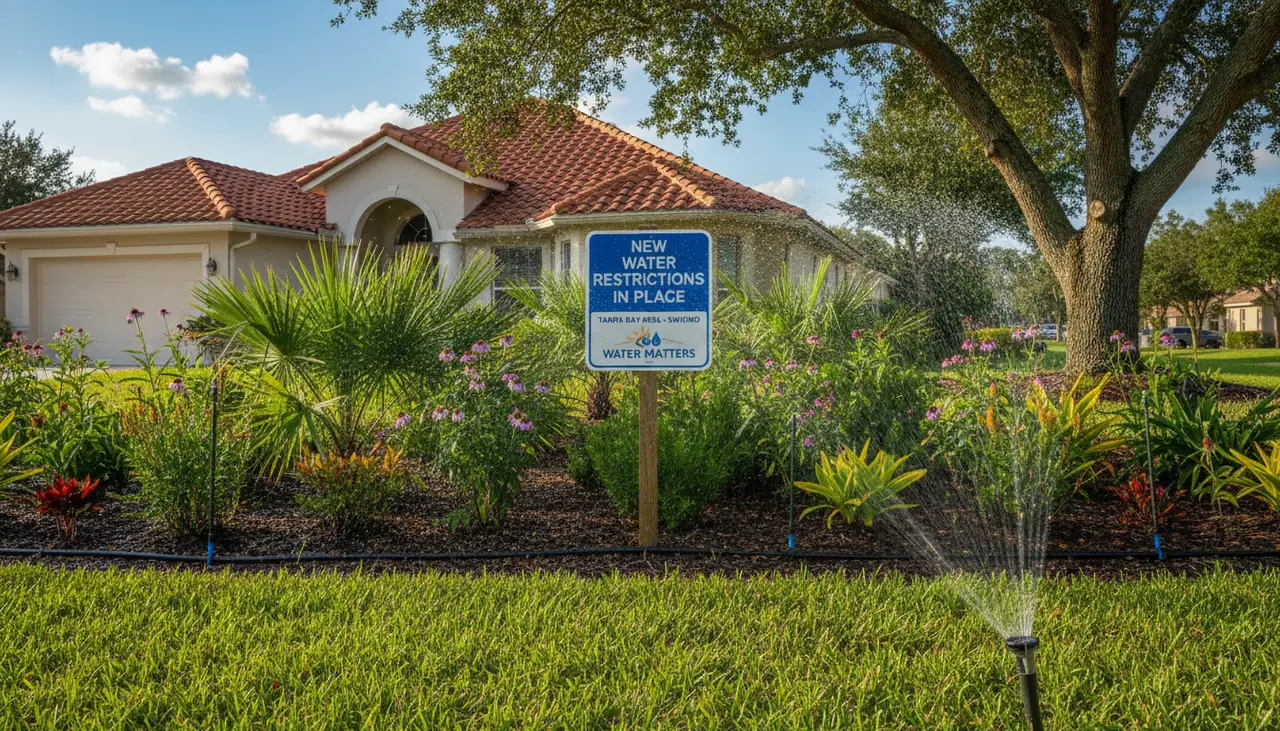
Water Restrictions Hit Tampa Bay: What You Need to Know Starting This Week
At 7 a.m. on a chilly Monday morning near the intersection of Dale Mabry Highway and West Swann Avenue in the West Tampa neighborhood, residents are already noticing the difference. Lawns that typically glisten with early morning irrigation stand dry and parched. Drivers passing by the nearby Tampa General Hospital might see fewer sprinklers running and more brown patches where green once thrived. This is no coincidence—new water restrictions are now in effect across Tampa Bay and parts of Central Florida, forcing a drastic change in how residents and businesses use water.
What Happened: New Water Restrictions Now Active
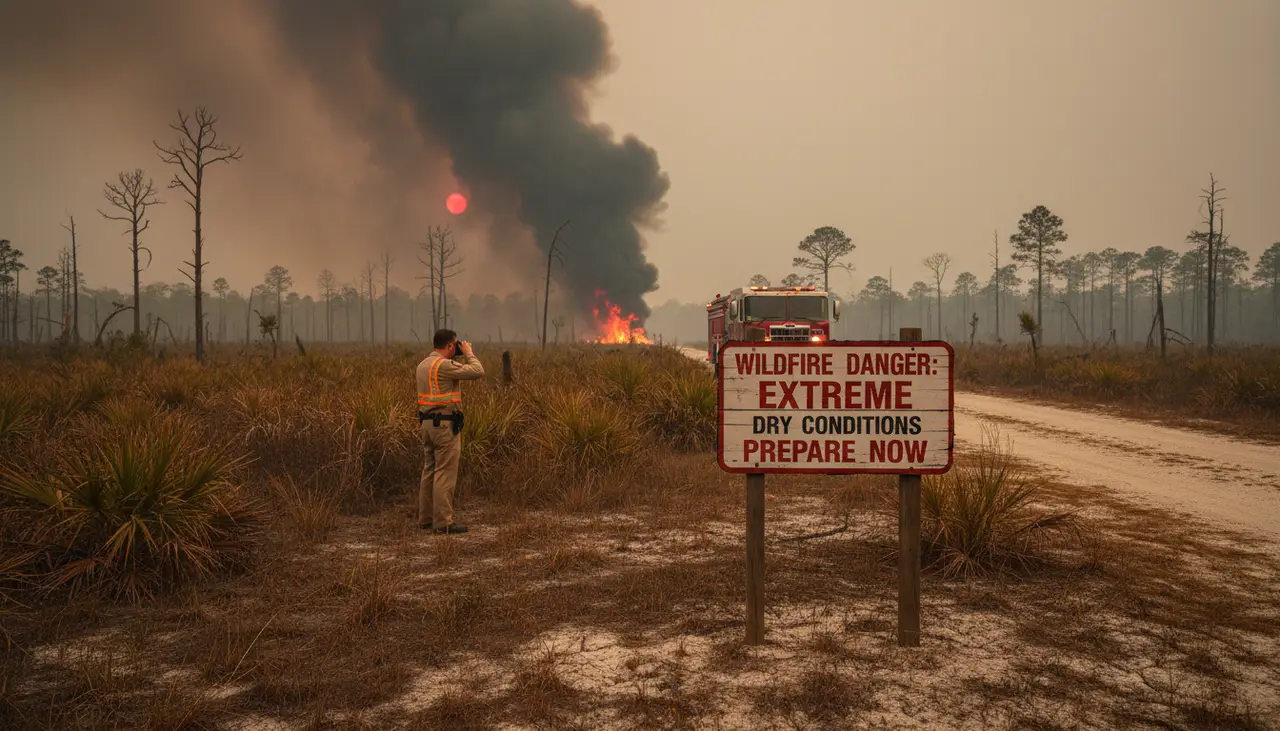
Starting Sunday, the Southwest Florida Water Management District (SWFMD) implemented the Modified Phase II water shortage restrictions plan. This move comes after the region experienced a severe rainfall deficit—13 inches below the historical average over the past year. The restrictions will remain in place through July 1, affecting a wide area including all of Citrus, DeSoto, Hardee, Hernando, Hillsborough, Manatee, Pasco, Pinellas, Polk, Sarasota, and Sumter counties.
Portions of Charlotte, Highlands, and Lake counties are also included, along with specific cities like Dunnellon and The Villages in Marion County, and Gasparilla Island in Charlotte County. For Tampa residents, this means neighborhoods such as West Tampa, Seminole Heights, and areas around the University of South Florida are all under these regulations.
The new rules reduce lawn watering to just one day per week. The schedule is strict and based on the last digit of your street address:
- 0 or 1: Monday
- 2 or 3: Tuesday
- 4 or 5: Wednesday
- 6 or 7: Thursday
- 8 or 9: Friday
Watering is only allowed during two windows: 12:01 a.m. to 8 a.m. or 6 p.m. to 11:59 p.m., with properties smaller than one acre restricted to just one of these periods.
Why This Matters Locally: The Real Risks for Tampa Residents
If you live in Tampa or nearby, ignoring these restrictions is more than just a minor inconvenience—it can lead to serious consequences. Water supplies are already lower than expected for this time of year, putting your household at risk of shortages. Overwatering outside allowed times can trigger fines or penalties from local authorities, adding financial strain during an already challenging season.
For homeowners on private wells, the restrictions still apply, meaning your usual watering routine needs immediate adjustment or you risk damaging your landscaping irreparably. Brown lawns and stressed plants don’t just hurt curb appeal—they can reduce your property value and complicate future sales.
Commercial properties, especially those near busy corridors like Hillsborough Avenue and Fowler Avenue, face similar limitations. Businesses relying on landscaping for customer attraction or safety (such as visibility on parking lots) must adapt quickly or risk losing customers and incurring fines.
The restrictions also affect daily life around major landmarks like Busch Gardens Tampa Bay. Reduced water availability could impact maintenance schedules, increasing the likelihood of brown spaces or unkempt grounds, which affects visitor experience and local employment.
If This Happens To You: What To Do Immediately
- Step 1: Identify your watering day based on your home or business address. Check your address’s last digit and mark your calendar.
- Step 2: Adjust your irrigation system timers strictly to the allowed watering windows—either before 8 a.m. or after 6 p.m. Remember, if your property is under one acre, only one window is allowed.
- Step 3: Stop all lawn watering outside your designated day immediately to avoid fines and conserve water.
- Step 4: Switch to low-volume watering methods like soaker hoses or hand watering for plants and shrubs any day, any time. This helps keep your landscaping alive without breaking rules.
- Step 5: For new lawns and plants, follow the 60-day establishment watering schedule carefully. Days 1-30 allow watering any day, but days 31-60 restrict watering to specific days depending on odd or even addresses.
- Step 6: Use reclaimed water if available—it is exempt from mandatory watering hours unless your local utility restricts it.
- Step 7: Limit non-commercial car washing to your designated watering day only, and always use a hose with a shutoff nozzle.
When Local Professional Help Becomes Necessary
Understanding and complying with these restrictions can quickly overwhelm residents and businesses. If your irrigation system cannot be easily adjusted to the new schedule, you need to contact a licensed irrigation contractor immediately to reprogram or repair your system. Delays could mean wasted water or violations.
If you face legal notices or fines for non-compliance, consulting a local attorney familiar with municipal water regulations is essential. Ignoring citations can escalate costs and complicate your housing or business operations.
For property owners planning new landscaping or large-scale irrigation installations, professional planners and landscapers should be involved to design systems compliant with the Modified Phase II restrictions. DIY installations risk non-compliance and costly rework.
Finally, if your private well’s water supply is dwindling, you may need a licensed well repair service to assess and maintain your system’s functionality under these drought conditions. Waiting too long could result in well failure and expensive emergency repairs.
Local Context: How Tampa Residents Encounter These Restrictions Daily
From the bustling streets of West Swann Avenue to the residential blocks of Seminole Heights and the commercial zones along Hillsborough Avenue, these water restrictions touch every corner of Tampa. Residents driving past landmarks like Tampa General Hospital or families walking near the University of South Florida campus will notice the immediate impact on landscaping and water use.
Whether you live near the leafy neighborhoods of Palma Ceia or along the busy corridors of Dale Mabry Highway, this is not a distant policy—it affects your daily routine, your property, and your expenses. The water shortage is real, and the clock is ticking until July 1. Ignoring these restrictions risks fines, property damage, and increased stress for you and your family.
Where This Is Happening in Tampa
The restrictions cover neighborhoods including West Tampa, Seminole Heights, Palma Ceia, and areas surrounding the University of South Florida. Key streets affected include Dale Mabry Highway, West Swann Avenue, Hillsborough Avenue, and Fowler Avenue.
Residents commuting through these corridors or visiting landmarks like Tampa General Hospital or Busch Gardens Tampa Bay should be aware that water use is limited, impacting landscaping and maintenance around these high-traffic areas.
Local institutions such as Tampa General Hospital and the University of South Florida have already started adjusting their irrigation and water use plans to comply with the new rules. Neighborhoods near these institutions will likely see changes in lawn care schedules, water availability, and even car washing routines.