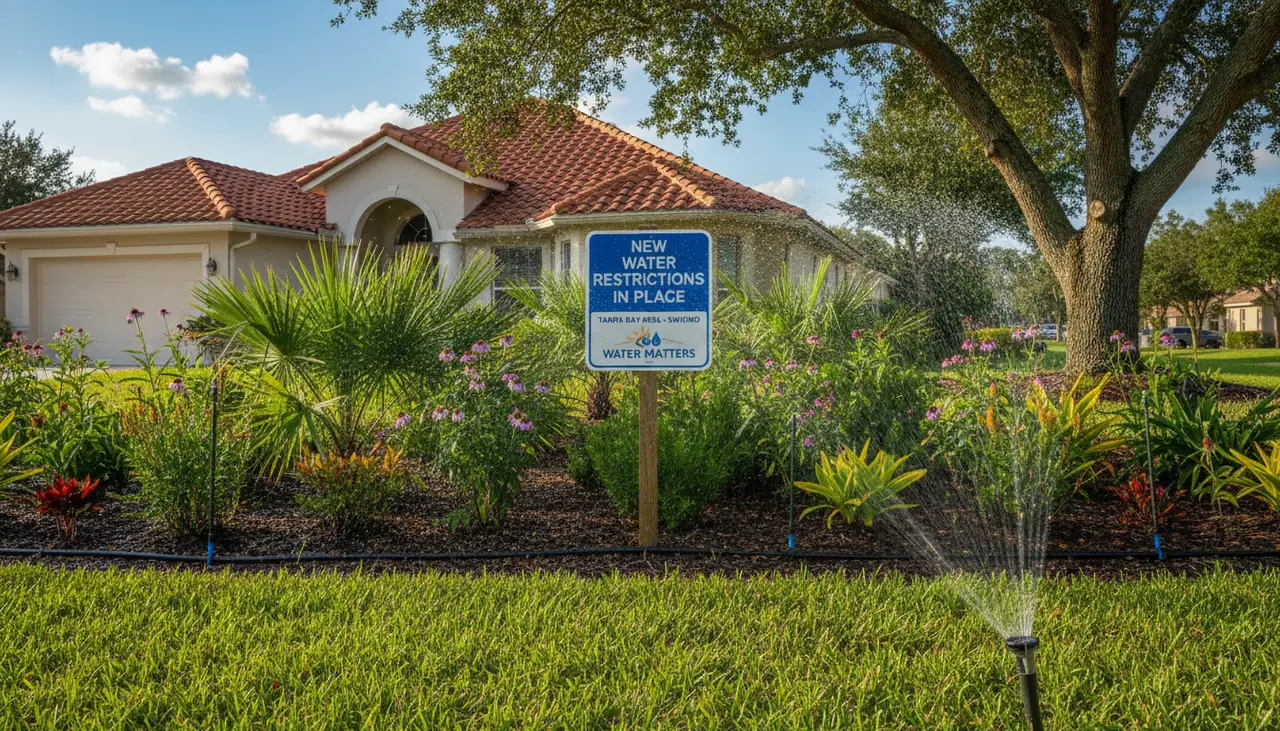
Water Restrictions Take Effect Sunday on Westshore Boulevard as Tampa Faces Severe Rainfall Deficit
It’s 7 a.m. on a quiet Sunday morning at the intersection of Westshore Boulevard and Cypress Street in the Westshore neighborhood. Most yards are still damp from an early morning sprinkle, but the usual hum of sprinkler systems is noticeably absent. Residents here, as well as in nearby Palma Ceia and Seminole Heights, are waking up to a new reality: water restrictions are now in force, limiting lawn irrigation to just one day a week.
Starting Sunday, the Southwest Florida Water Management District (SWFWMD) has imposed Phase II water shortage restrictions across Tampa due to a rainfall deficit exceeding 12 inches. This deficit stems from last summer’s unusually dry rainy season that left local reservoirs and aquifers dangerously low. As a result, lawn watering is now strictly limited to one specific day per week, determined by the last digit of your home’s street address.
For example, if your address ends in 0 or 1, you can water only on Mondays. Addresses ending in 2 or 3 can water on Tuesdays, and so forth, through Friday for addresses ending in 8 or 9. Watering is permitted only during two time windows: either from 12:01 a.m. to 8 a.m., or from 6 p.m. to 11:59 p.m. Properties smaller than one acre must choose just one of these time blocks. Low-volume watering systems such as drip irrigation, soaker hoses, or hand watering for plants and shrubs are exempt and may be used any day at any time.
These restrictions will remain in place until July 1, but ignoring them can lead to steep fines and increased stress for homeowners. The SWFWMD urges residents to check with their local governments, as some Tampa neighborhoods may enforce stricter watering hours.
Why This Matters to Tampa Residents
If you live in neighborhoods like Westshore, Palma Ceia, or Seminole Heights, these restrictions will directly affect how you maintain your property. Ignoring the watering schedule risks hefty fines that can escalate quickly, putting unnecessary financial strain on households. Overwatering outside the designated days not only wastes scarce water resources but can also trigger penalties enforced by city code enforcement officers.
For families, this means adjusting morning or evening routines to comply with the new hours. Those who rely on lawn care services will need to communicate these changes immediately to avoid violations. Failure to adapt could lead to damaged landscaping, decreasing property values and increasing stress for homeowners trying to keep yards healthy during a drought.
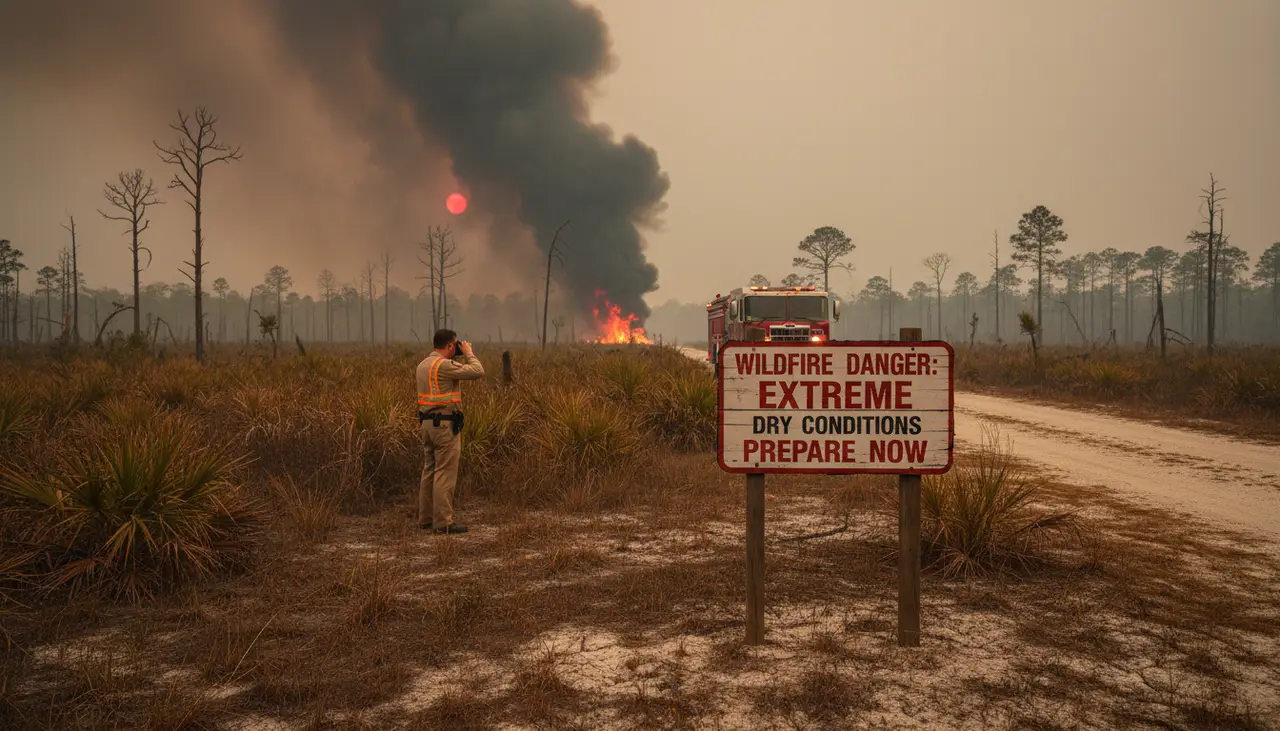
Additionally, water shortages can impact fire safety. Dry lawns and vegetation increase the risk of fires, especially in neighborhoods with older wooden homes like Seminole Heights. Residents must be vigilant about outdoor watering and landscape maintenance to reduce hazards.
Traffic and city services may also be affected. With drought conditions worsening, Tampa’s public works and emergency services might prioritize water delivery and infrastructure repairs, causing disruptions on major roads like Dale Mabry Highway and Hillsborough Avenue.
If This Happens to You: What to Do Immediately
- Check the last digit of your street address to confirm your designated watering day.
- Set timers on your irrigation system to operate only during allowed hours: either early morning (12:01 a.m. to 8 a.m.) or evening (6 p.m. to 11:59 p.m.).
- If your property is less than one acre, choose one time window and stick to it strictly.
- Use low-volume watering methods like drip irrigation or hand watering for plants and shrubs whenever possible—they are exempt from day and time restrictions.
- Contact your local neighborhood association or Tampa city offices to verify if any additional watering restrictions apply in your area.
- Inform your lawn care or landscaping service about the new rules to avoid violations during their visits.
- Monitor your water usage closely to avoid unexpected spikes on your utility bill.
When Local Professional Help Becomes Necessary
If you notice leaks or malfunctioning irrigation systems during this critical period, you need to contact licensed repair services immediately. Faulty sprinklers running outside allowed times can lead to fines and wasted water. Professionals can inspect, repair, or reprogram your system to comply with restrictions.
For homeowners unsure how to adjust their watering schedules or retrofit existing irrigation systems, professional contractors and landscape planners become essential. They can help design low-volume or drought-resistant landscaping solutions that reduce water use and keep yards healthy under these restrictions.
Legal assistance might be necessary if you receive citations or fines related to water restriction violations. Tampa residents should consult local attorneys familiar with municipal codes and water management regulations to understand their options and avoid costly penalties.
Local Context: Tampa’s Water Crisis Hits Home
These restrictions are not just abstract rules—they impact daily life in Tampa’s neighborhoods. Westshore Boulevard, a major commercial and residential corridor that thousands of residents and commuters pass through daily, will see changes in landscaping appearance as watering is limited. Nearby Palma Ceia and Seminole Heights, known for their historic homes and lush yards, face increased pressure to conserve water while maintaining property values.
Institutions like the University of South Florida and Tampa General Hospital are also adjusting their water use policies to comply with district mandates. Residents near these landmarks should expect heightened enforcement and public outreach efforts.
Water conservation is now a community-wide priority in Tampa. The choices you make this week and in the coming months will determine how well the city weathers this drought and how quickly it can return to normal water use.
Where This Is Happening in Tampa
The water restrictions affect neighborhoods across Tampa, including Westshore, Palma Ceia, and Seminole Heights. Key streets impacted include Westshore Boulevard, Dale Mabry Highway, Cypress Street, and Hillsborough Avenue. These arteries connect residential areas to commercial centers like International Plaza and Tampa International Airport, making water conservation a citywide concern.
Residents living near landmarks such as the University of South Florida and Tampa General Hospital will also experience the effects of these restrictions. Many locals commute daily through these corridors, meaning the impact of water shortages will be visible and felt throughout the community.