Evening Tensions Rise Near Hillsborough College As Rays Meet Firefighters Over New Stadium Plans
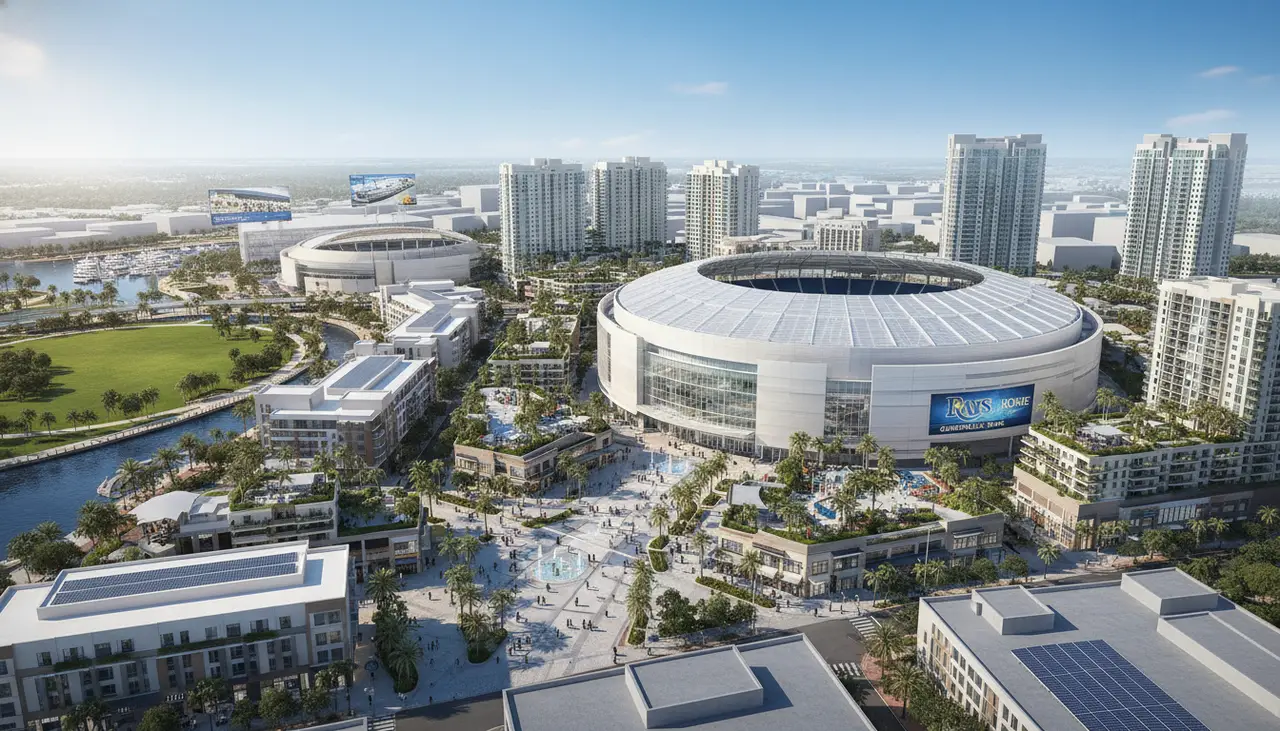
At 6:30 p.m. on Dale Mabry Highway, near the bustling intersection with Waters Avenue in the College Hill neighborhood, a group of Tampa Bay Rays executives sat down with leaders from the Tampa Firefighters Local 754. The meeting was part of an early-stage community engagement focused on the proposed new ballpark and mixed-use district planned for the Hillsborough College Dale Mabry campus. The air outside was thick with the usual rush-hour traffic, but inside the room, conversations turned to public safety concerns, funding risks, and the future impact on residents living just blocks away.
What Happened: Rays and Firefighters Begin Crucial Talks
The Tampa Bay Rays leadership met with Nick Stocco, President of IAFF Tampa Firefighters Local 754, and union officers to discuss the initial vision for the new stadium and surrounding district. This was the first of several planned community sessions intended to gather input from key local stakeholders.
The Hillsborough College Board of Trustees has already approved a memorandum of understanding with the Rays to develop the Dale Mabry campus, located near the intersection of Dale Mabry Highway and Waters Avenue. Meanwhile, the Hillsborough County Commission has voted to begin negotiations on ballpark funding, signaling serious momentum.
Rays CEO Ken Babby emphasized the importance of these early discussions, especially regarding public safety and community impact. The proposed stadium is expected to cost around $2.3 billion, with the Rays committing to cover at least half. Still, this leaves local partners—potentially including Tampa taxpayers—responsible for more than $1 billion. For context, a previous plan with St. Petersburg and Pinellas County included about $600 million in public funding before it was canceled.
The larger mixed-use development around the ballpark is expected to be entirely privately financed. An independent economic analysis projects the project could generate $34 billion in total economic impact, create nearly 12,000 permanent jobs, and attract 10 million visitors annually—comparable to attendance at major U.S. theme parks.
Why This Matters Locally: Your Safety, Wallet, and Commute Are on the Line
This project is not just about baseball. If you live or work near Dale Mabry Highway, Waters Avenue, or in neighborhoods like College Hill and Seminole Heights, this development will affect your daily life. The scale of the project means:
- Public Safety Risks: Increased traffic and crowds will strain emergency response times. The firefighters’ union is pushing to have public safety fully integrated into planning from the start. Without this, your household could face delayed emergency services during events or peak times.
- Financial Burden: More than $1 billion in public funding could come from Hillsborough County and the city of Tampa. That’s money coming from your taxes. If the county commits without clear safeguards, residents could see higher property taxes or fees to cover cost overruns.
- Traffic and Commute Disruptions: Dale Mabry Highway and nearby Waters Avenue are already congested. Adding a stadium and mixed-use district will worsen traffic, potentially doubling your commute times. Without proper infrastructure improvements, expect gridlock that impacts your work, school runs, and errands.
- Housing and Neighborhood Changes: The influx of visitors and workers could drive up housing demand in College Hill, Seminole Heights, and surrounding areas. This risks rising rents and displacement of long-term residents if affordable housing is not prioritized.
Ignoring these risks now could leave you facing unexpected expenses, longer emergency response times, and daily frustration on the roads.
If This Affects You: What To Do Immediately
- 1. Stay Informed. Monitor announcements from the Tampa Bay Rays, Hillsborough College, and Hillsborough County Commission. Upcoming community engagement sessions will provide opportunities to ask questions and voice concerns.
- 2. Attend Community Meetings. Mark your calendar for public forums near you, especially those held in College Hill or Seminole Heights. Your presence matters to hold planners accountable on safety and funding.
- 3. Document Concerns. Write down specific worries about traffic, safety, or housing. Take photos or videos if current conditions worsen due to construction or events.
- 4. Contact Local Officials. Reach out to your city council member and Hillsborough County commissioners to demand transparency on public funding and safety plans.
- 5. Prepare for Potential Tax Increases. Review your household budget and consider saving for possible property tax hikes or new fees related to the project.
- 6. Register for Future Ballpark Seating Cautiously. The Rays are now accepting $19.98 deposits for future seats at NewBallpark.RaysBaseball.com. Understand this is a financial commitment linked to a project still in negotiation.
- 7. Consult Neighbors. Coordinate with your neighborhood association or local advocacy groups to form a collective voice.
When Local Professional Help Becomes Necessary
As plans move forward, residents should recognize when professional assistance is required:
- Legal Help: If you are a homeowner facing zoning changes, property value disputes, or tax increases, you need to contact a local real estate or tax attorney immediately. Legal expertise is crucial to navigate appeals or challenges.
- Contractors and Planners: Neighborhoods near Dale Mabry and Waters Avenue may face construction impacts. If your home sustains damage or requires modifications due to development, hire licensed contractors promptly. Urban planners can assist community groups in understanding and influencing development proposals.
- Repair Services: Increased construction traffic raises the risk of road damage, utility disruptions, and property wear. If you encounter infrastructure problems, contact local repair professionals quickly to avoid escalating issues.
Delaying professional intervention in these areas risks costly repairs, legal complications, or financial losses down the line.
Local Context: What This Means for Tampa Residents
The Hillsborough College Dale Mabry campus sits at a crossroads of Tampa’s growth corridors. Residents living in College Hill and Seminole Heights frequently travel Dale Mabry Highway and Waters Avenue to commute, run errands, or access downtown Tampa. The proposed ballpark and mixed-use district will transform this area into a central hub, but not without significant disruption. Every day, thousands of Tampa households will feel the ripple effects through longer drives, altered emergency response patterns, and increased financial pressure.
As the Rays push forward with their vision, Tampa residents must stay vigilant and engaged. This project is not just a sports story—it’s a local issue with immediate consequences for public safety, your wallet, and the future of our neighborhoods.
Where This Is Happening in Tampa
The proposed development centers on the Hillsborough College Dale Mabry campus, located along Dale Mabry Highway between Waters Avenue and Hillsborough Avenue. This area borders the College Hill and Seminole Heights neighborhoods, both historic and densely populated communities with growing residential and commercial activity.
Dale Mabry Highway is a major north-south artery, heavily used by commuters traveling from Tampa’s northern suburbs into downtown and vice versa. Waters Avenue, intersecting Dale Mabry just south of the campus, serves as a key east-west corridor connecting neighborhoods like West Tampa and Palma Ceia.
Nearby landmarks include Hillsborough College’s main campus buildings, the Hillsborough County Public Library on Waters Avenue, and the Seminole Heights Historic District. Locals passing through this intersection daily will experience the direct impact of construction, increased traffic, and the eventual influx of visitors the new ballpark aims to attract.